Gilbert Herrada Luna
University of North Carolina at Chapel Hill

About Me
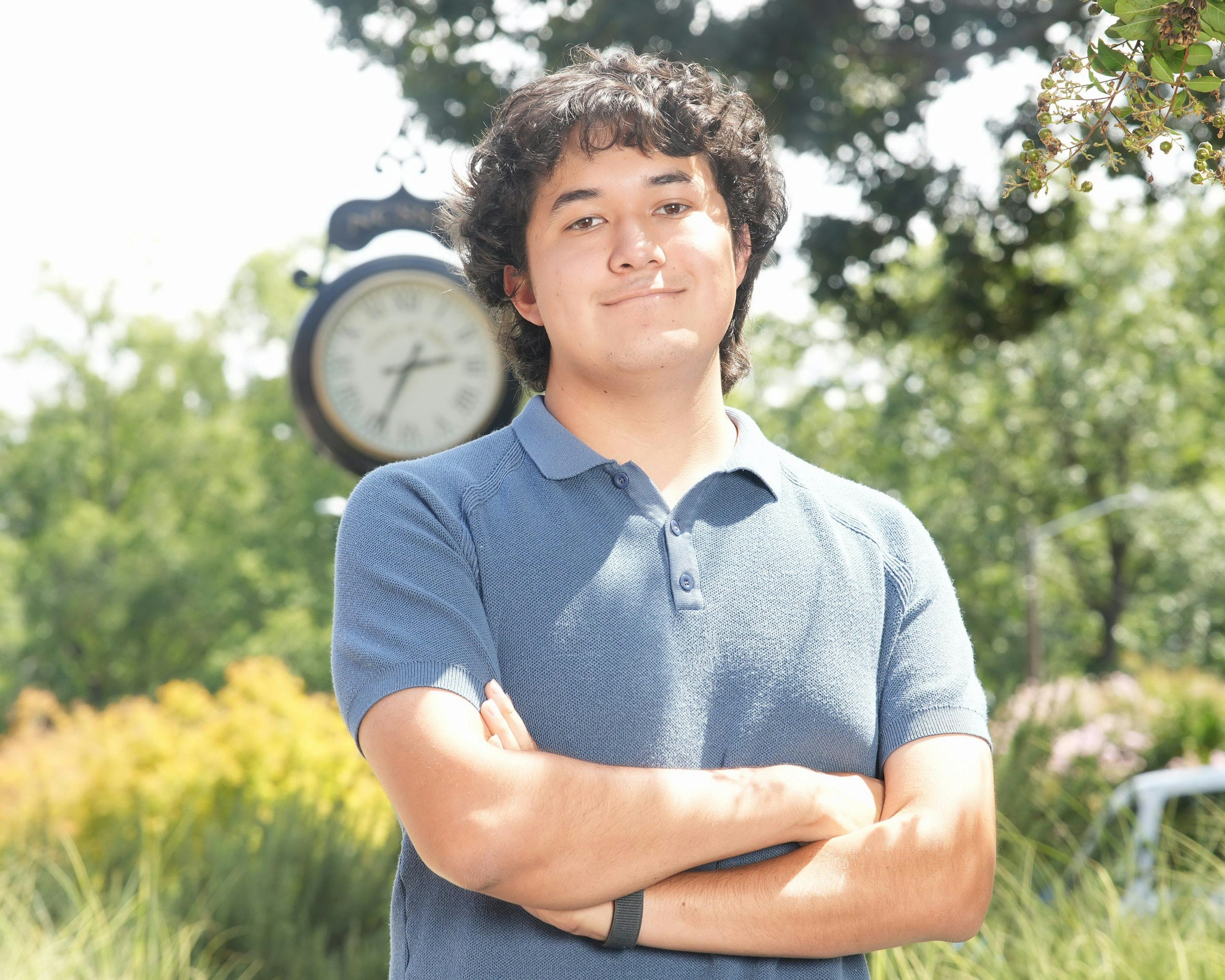
“The greatest achievements in art and science, I believe, have been made by men, who had faith, or compassion for their fellow men”
I grew up in a rural town called Hayesville in Western North Carolina to 1st generation Mexican immigrants. To support my family, my father had entered a career in construction, where he worked long hours with poor compensation. In light of this, my family was restricted to a strict budget, which meant my father sometimes had to eat inexpensive meals, such as a large bag of fried potato chips.
For as long as I can remember, consequently, my father returned home from work daily with a bag of potato chips. Following this, in his early 20s, a physician diagnosed my father with high blood pressure, informing him that he had one of the youngest cases of hypertension she had ever seen at the time. For reasons unbeknownst to me, my father never stopped buying potato chips, in spite of his physician citing them as a contributing factor to his condition.
As such, almost 20 years later, the physician disclosed that she was concerned that my father was at high risk for coronary artery disease primarily due to his chronic hypertension. As a result, she ordered a coronary artery calcium scan, advising him to reduce how frequently he consumed potato chips. Accordingly, my father was devastated. As an uninsured immigrant who believed his family was financially stretched, he was reluctant to spend money on his own healthcare, putting his family before himself.
In light of my fathers health concerns, my mother grew curious as to if other families had similar health habits or issues. Due to the fact that my mother spoke poor English, she took me along with her to ask her “white” friends if their families had similar health problems. My mother and I learned, in consequence of the cohesive nature of my community, that my father was not alone in his struggles, as his condition seemed to be common among the other families we had talked to. For this reason, I began to wonder why hypertension seemed so prevalent among those close to me. This experience therefore catalyzed my interest in healthcare, particularly regarding the therapeutic, or detrimental, effects of nutrition. Yet, it was because of my mother's curiosity that prompted me to shift my perspective from an individualized view of health to a population-level framework.
Now, I attend the University of North Carolina at Chapel Hill with the goal of studying public health nutrition through the Gillings School of Public Health. Through this major, I intend to pursue coursework that will deepen my knowledge of the biomechanical mechanisms related to the metabolization of micronutrients and macronutrients. As an undergraduate, I hope to become involved with a lab associated with the UNC Nutrition Research Institute to explore not merely the corollary, but the causal relationship between nutrition and health, and the applications of said relationship to a wider population.